Video is among the easiest methods to access information. A short video clip can frequently convey more information than a text page. People browse through social feeds or watch tutorials, look through demos for products, or even learn new skills via visual content. It’s always been about making. Professional video production used to require tools, editing skills along with patience, time and effort. The gap is getting smaller thanks to AI video technology.
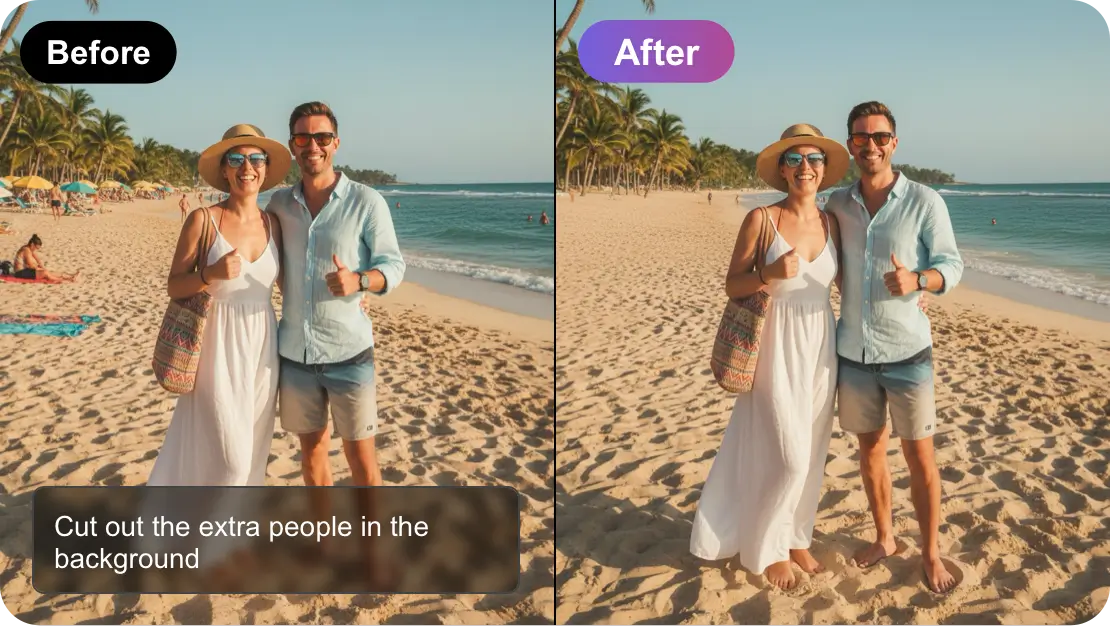
Image credit: vivideo.ai
Vivideo.ai lets anyone create high-quality video, even without technical expertise. Instead of stressing about transitions, timelines or the complexity of software the users can focus on what they want to convey. The system will handle the rest in the background.
A Different Approach to Video Creation
Traditional video production required numerous steps. Planning, filming, editing, voice recording, exporting. Each stage needed tools, people, money. A video maker AI simplifies the process by combining it into an easy step. You describe your idea. The system will create a video about your concept.
Content creators now comprise a wider group of people. Small business owners create marketing videos. Teachers create lessons. Coaches share training material. Social creators keep their consistency, without burning out. It feels more like writing rather than editing.
Turning thoughts into visual content
One of the best tools today is text to video. You paste a script. The AI will choose images to coincide with your message. The music plays automatically. The voice narration is incorporated into a natural tone. The final product is as it was the work of a team of professionals to produce.
This eliminates the hesitation. There is no need to wait for ideal conditions. They are able to test ideas quickly. They improve content based on feedback. They release more frequently since the barrier to entry is lower.
Motion for Still Images
Another powerful tool is image to video. The photos themselves are often flat. AI introduces motion, timing, visual flow. A few images turn into a story. An ordinary product photo transforms into short promotional. A sequence of slides can be used as a video instructional.
It can be used to promote your product, tell stories as well as online presentation. You no longer need animation skills. The system knows how to make motions that feel natural.
Editing without Frustration
Traditional editing tools overwhelm newbies. Layers, timelines, formats confuse most people. AI platforms alleviate that stress. Users alter scenes with simple controls. They change pacing. They alter the visuals. They write narration in a different way.
Subtitles are automatically shown in multiple languages. That helps reach wider audiences. This also makes it more accessible to those who prefer captions.
Voices that Sound Real
The voice technology of AI has become such that it sounds human. You choose tone, language, style. The voice is suited to the message. A microphone is not required. No studio setup. No retakes.
Some platforms even include digital presenters. They are animated and talk on the screen. They’re ideal for presenting training materials, explanations and business updates. The message will feel personal, without the need to film.
Quality without compromise
AI-generated video output supports high resolution. Content can be used for use on YouTube, TikTok Instagram, LinkedIn. The formats are automatically modified. You create once. You can share your work anywhere.
This can cut down on time. The branding remains consistent on every platform.
Why AI video feels different
It’s not a technical change that will make the most significant difference. It’s a feeling. People stop worrying about tools. Focus is on concepts. They experiment with confidence. They can freely create.
Vivideo.ai shift video creation from being stressful to becoming natural. You enter. You think. You publish. The technology fades to the background.
It is not a substitute for creative expression. It eliminates friction. It lets users communicate their stories, lessons and even knowledge without feeling stifled by their complexity. The future content will be light, speedier and more human.