In a crisis, people have little time to contemplate what to do next. Confusion spreads fast in circumstances that are stressful. This is particularly the case when large structures are involved, such as warehouses, offices and apartments. A clear emergency plan can help reduce the risk of confusion.
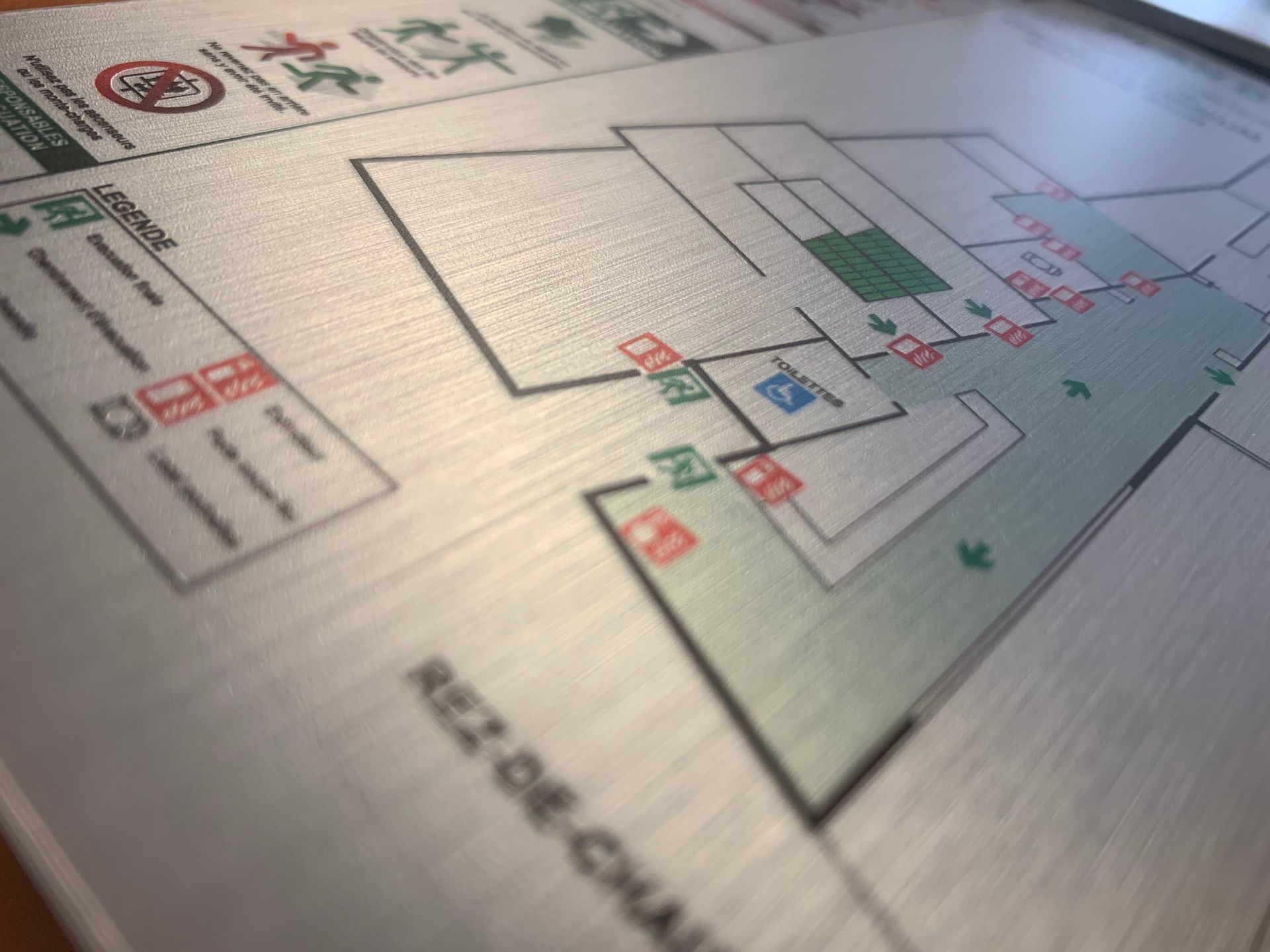
A well-constructed evacuation plan and intervention will provide instant visual direction, which allows staff, security personnel and firefighters respond quicker in times of crisis. These plans are not simply paper plans that are hung up on walls. They are actually safety tools that are designed to assist in real-time emergencies.
Public and private establishments throughout France increasingly recognize the importance of having up-to-date emergency documentation that is simple to comprehend, clearly placed and appropriate to the particular building. For more details, click here création plan intervention et évacuation Clermont
Emergency evacuations and planned evacuation plans serve different functions
Many people believe that all fire safety programs serve the same purpose, but they do not.
A Lyon evacuation plan for buildings is specifically designed for customers, employees, visitors, contractors, and property occupants. This plan is intended to help people getting out safely and quickly from the building during an emergency.
The plans typically include stairs, exits and evacuation routes, alarm systems, emergency equipment, and points of assembly. The place of the information is also crucial, as occupants must be able to locate the information quickly during stressful circumstances.
A plan of intervention for Clermont-Ferrand buildings The other plan, however is specifically designed for emergency responders, firefighters, and security teams. It provides more detailed information regarding emergency access to utilities, shutoffs, areas of circulation, and technical rooms. Both kinds of plans function together to provide safer emergency response procedures.
The importance of visibility and placement is more important than most people realize.
A fire safety plan becomes useful if people can be able to see and comprehend it in a short time. When there is a fire incident, plans that are hidden behind a door, are set too high, or are difficult to read or inadequately illuminated are unable to be used in their actual importance. Effective fire safety planning involves careful examination of the contents and placement.
Evacuation plans are usually placed in lobbies and entrances hallways, staircases, and other areas of circulation where visitors are likely to go through during the day. Emergency response teams often place plans for intervention near points of entry to the fire department, technical areas or security stations. They can quickly access vital building information when they arrive. Plans that have been professionally designed increase visibility, readability and coordination for emergency situations throughout the entire property.
New Fire Safety Rules are Changing Expectations
Public safety rules for fire protection in public access buildings continue evolving across France. Regardless of the layout and design, Category 5 ERP structures were required to display the appropriate documentation for evacuation and emergency intervention. Professional assistance is becoming increasingly sought by property managers, businesses, trustees and public facility operators to ensure conformity.
Clermont property owners who wish to ensure that their properties are safe and compliant and are prepared for any regulatory changes in the near future, must create an intervention and evacuation plan. The need to keep up-to-date documentation shows professionalism and accountability to the occupants, inspectors and emergency services too.
Emergency Responders depend on Accurate Building Information
firefighters are frequently forced to enter buildings that aren’t familiar under challenging conditions, such as the heat, smoke and lack of visibility. Effective intervention plans can help emergency personnel understand the structure more quickly.
A well-planned Fire intervention plan for Lyon properties can include emergency access points, utility shutoff areas, compartmentalization zones technical rooms smoke extraction systems and fire protection equipment available within the structure.
This data helps emergency responders make faster operational decisions while improving overall intervention efficiency. For larger or more complex property, having well-organized and updated intervention documentation can significantly enhance emergency coordination.
Regular Updates Keep Plans Relevant
Buildings change over time. The office layout can change when walls are removed, equipment relocated, or circulation routes altered. Fire safety plans that are not updated after these changes can quickly become ineffective. Inadequate technical information or an out-of-date evacuation route can cause confusion during an emergency.
Regular review ensures that emergency plans are still up to date with the latest building layout and safety systems. Regular updates are now seen as a vital part of risk management and not only a once-in-a-while administrative job. Professionals help companies monitor the updates and ensure their compliance with current guidelines and best practices.
Plan for the Safety of Fire – A Clear Approach Creates Safer Environments
It is essential to remember that the prevention of fire does not end with alarms or extinguishers. Safety planning that is effective creates a space where individuals are able to react quickly and effectively in emergency situations.
If the emergency procedures are clearly identified and organized employees are more relaxed. Visitors benefit from clearly marked evacuation routes. Emergency responders gain faster access to crucial building information. A professional fire safety plan supports all those who is involved. France protect securite helps organisations throughout the Auvergne-RhoneAlpes region create safer commercial, industrial and public areas through properly designed evacuation and intervention planning services.
The importance of being prepared during emergency situations
Emergencies do not always provide warning. The preparation process is usually what determines the efficiency of a building’s response to a crisis.
An organized evacuation plan for Lyon properties, a precise and accurate design of an evacuation and intervention plan to Clermont services, and a professionally prepared fire intervention plan for Lyon properties are all part of safer emergency management.
A current, well-placed and understandable plans will reduce confusion and enhance the coordination of emergency response. They also help ensure safer evacuations, both for emergency personnel and the occupants.
A clear emergency plan is more than just observing the laws. Everyday, it’s about ensuring safer surroundings as well as ensuring the safety of people and increasing preparation.